
News
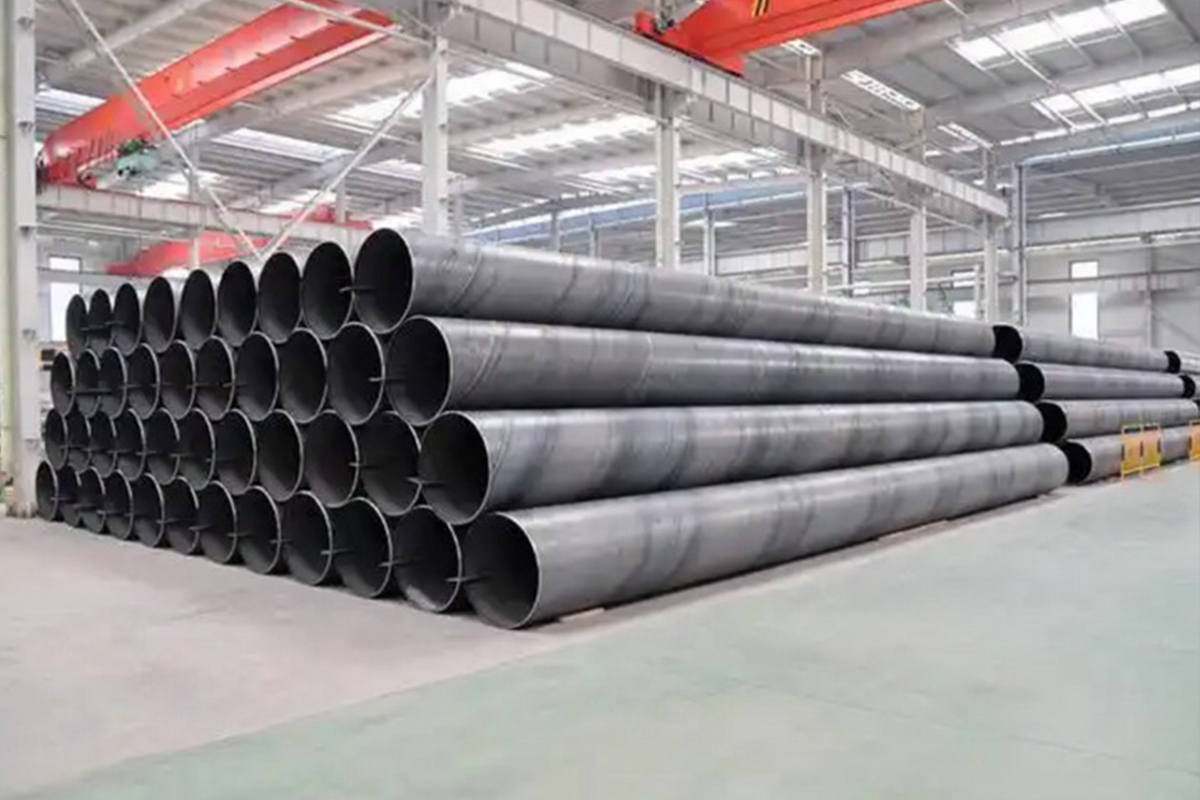
Source: China International Pipeline Conference (CIPC)
On April 9, 2025, the 8th China International Pipeline Conference (CIPC) and Technical Equipment and Achievements Exhibition was held in Beijing. Wan Jinsong, member of the Party Group and Deputy Director of the National Energy Administration, introduced at the meeting that as of 2024, the total length of China's oil and gas long-distance pipelines has reached 195000 kilometers, and the "national network" with optimized layout, wide coverage, and complete functions is becoming increasingly perfect.
Wan Jinsong pointed out that after years of development, China's energy pipeline industry has built a nationwide and connected oil and gas pipeline network from the Basha pipeline to major projects such as the West East Gas Pipeline and the China Russia East Line, achieving high-quality, fair and open oil and gas pipeline facilities. The stability, safety and flexibility of energy supply are increasingly enhanced.
Jiao Fangzheng, Chairman of the China Petroleum Society, pointed out that under the background of global energy transformation and "dual carbon", the international pipeline field presents three core trends: first, green and low-carbon. The global planned hydrogen energy pipeline exceeds 12000 kilometers, and pure hydrogen and hydrogen blending technologies are developing in parallel; Secondly, digitalization and intelligence are disrupting traditional pipeline operation models with technologies such as digital twins, AI detection, and drone inspections; Thirdly, new technologies and materials are widely used.
Zhang Wei, Chairman of the National Pipeline Network Group, stated that the global pipeline industry should seize the historical opportunities of technological revolution and industrial transformation, focus on reducing resistance and increasing revenue in natural gas pipelines, and research directions such as flexible transportation of hydrogen, ammonia, alcohol, and carbon multimedia. It is necessary to strengthen international innovation cooperation and expand the boundaries of pipeline transportation.